The 2025 Off-Season To-Do List: Part 3 (Profiles)

December is usually a slow month for the Portland Timbers. As a result, there isn’t much to talk about. However, the wheels of recruitment are always spinning. Two new signings are further evidence of that fact. Those two players will improve the Timbers in 2026, but they also provide further insight into Ned Grabavoy’s approach to recruitment.
Brandon Bye
The 30-year-old right back is Portland’s first signing of the offseason. New England opted not to renew his contract, so the Timbers were able to capitalize in free agency. For the first time since 2022, Juan Mosquera will have a like-for-like backup.
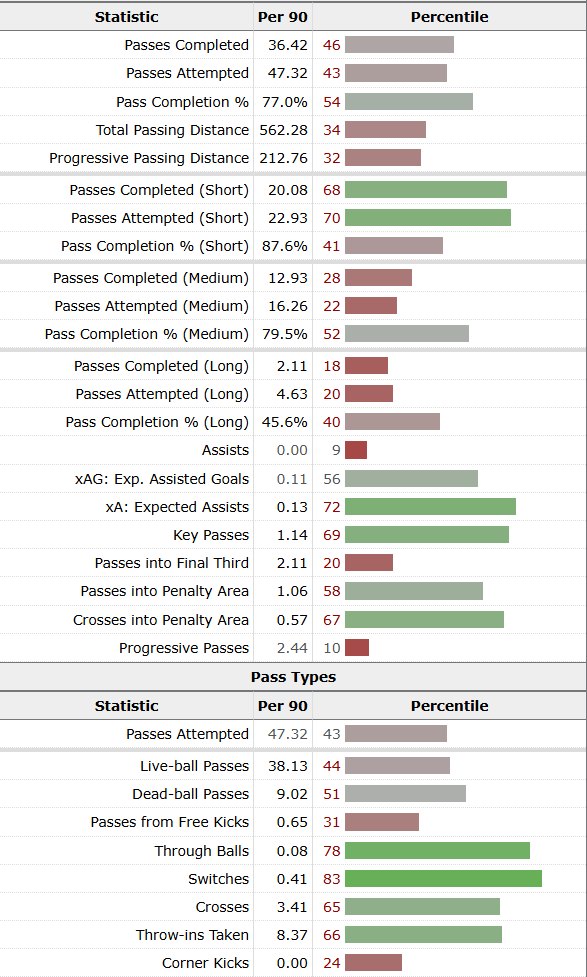
Mosquera is a key to how the Timbers want to play. As the primary width-provider on the right side, he gets into the final third and provides service into the box. Bye tallied 10g/19a in 214 total appearances for the Revs over 8 years. Those are pretty solid numbers for a fullback. One of those goals came against the Timbers in the 2022 season opener (the first Yimmi Chara bicycle kick game).
The front office’s prioritization of an experienced backup for Mosquera who can properly fulfill his role was one of the more underrated needs during the offseason. With the signing of Bye, the Timbers have accomplished that goal. Eric Miller is also returning to the club; likely on a Senior Minimum Salary contract (the same deal he was on in 2025). Sawyer Jura’s ascent to the first team will be accompanied by two experienced veterans. It’s a good move.
Alex Bonetig
In the summer of 2024, the Timbers signed Finn Surman. The selling club was the Wellington Phoenix, who play in Australia’s top division (despite being located in New Zealand). Surman only started one game in his first season, but quickly ascended up the teamsheet in 2025. Could the A-League give the Timbers another quality option at center back?
(Quick aside: the A-League doesn’t have a league table. They call it the “ladder” instead. It’s brilliant. You all needed to know this information.)
On New Year’s Day, Tom Bogert of The Athletic reported that the Timbers were “finalizing” a deal to sign Western Sydney Wanderers CB Alex Bonetig. The 23-year-old Australian’s signing was confirmed on January 7th (a pretty uneventful day to be a Timbers fan). He’s left-footed, and can play center back or defensive midfield.
Bonetig will not be a defensive midfielder. After playing the position as a youngster, he moved back a line and began to thrive. Portland signed him to (presumably) replace Dario Zuparic. However, I don’t think that the Timbers had Zuparic in mind when they were finalizing this deal.
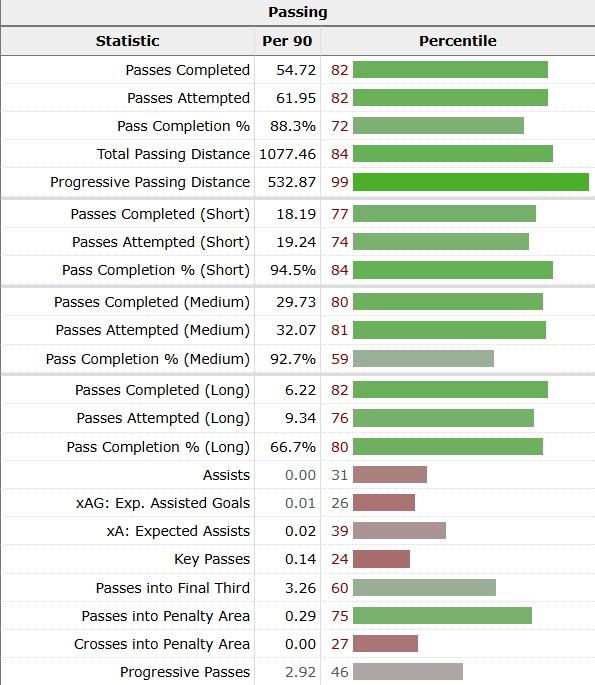
Kamal Miller is an outstanding passer. He’s very good with the ball at his feet. Bonetig can pass, yes, but he adds a different dimension to Portland’s backline.
That defensive midfield background shows up in the tape. FBRef doesn’t have advanced data for the A-League, so I can’t provide any numbers to back up my observations. However, match footage should always be consulted first instead of loading up a bar graph. Data can be flawed so it’s always important to use the eye test.
That eye test shows a player who (at 6’2”!) is a very good dribbler. He is not afraid to carry the ball forward. The Timbers do not have a center back who can do that. The tape (which is three years old) shows Bonetig driving forward between the thirds with the ball at his feet. The comfort and composure he shows on the ball is key for Phil Neville’s system. If the Timbers want to be able to play out from the back, they can’t rely on passing alone.
Think of this in the American football sense: the run establishes the pass. Carrying the ball draws defenders, which opens up space for passes. Players also have to be willing to move around off the ball (making runs) to open up space too. I’m looking forward to seeing the Timbers operate with a center back who can pass and dribble alongside Surman’s erasing qualities. That doesn’t discount Bonetig’s defensive abilities either. He has the speed to keep up with fast wingers and the mental qualities to recognize when to make the challenge. At 23 years old, he could start right away.
Cristian Espinoza
The Portland Timbers did not sign Cristian Espinoza. But they tried their damndest to do so.
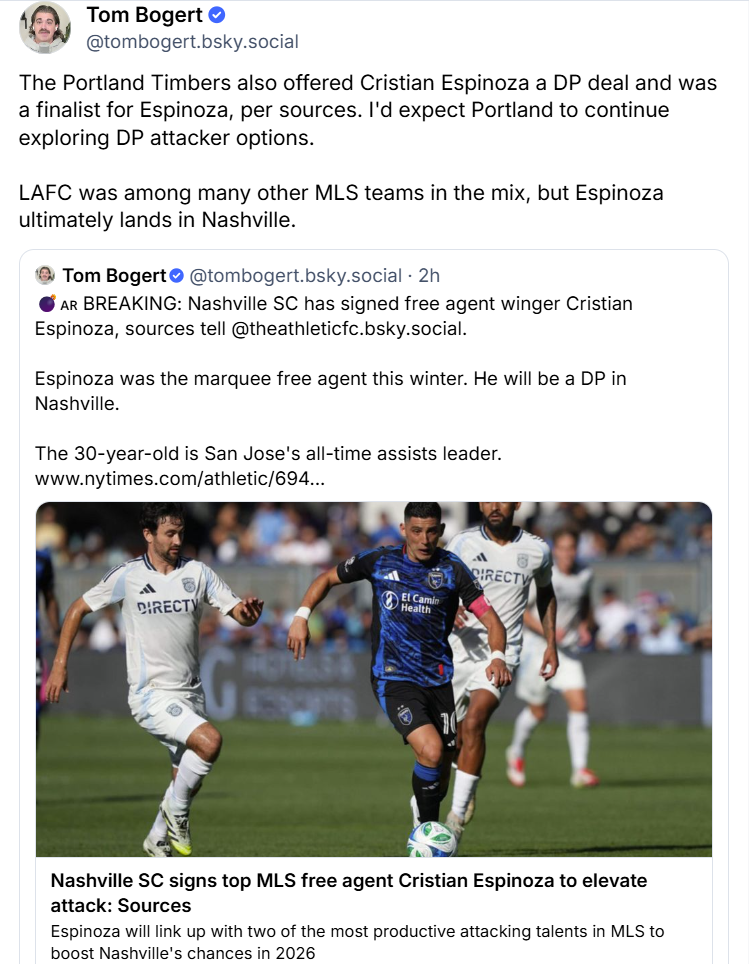
What is the point of including Espinoza in this list? I’ll get the smaller-picture thought out of the way first. Bogert’s tweet indicates that the Timbers are looking for another DP attacker. Based on their pursuit of Espinoza, it appears that they’re looking for a winger. In order to add another DP, Jonathan Rodriguez would have to leave the club via a sale or a buyout.
Going after Espinoza makes sense on a ton of levels. He was widely considered to be the top free agent attacker. He doesn’t take up an international slot. He wouldn’t necessitate a transfer fee. But his top quality (creation) is something that the Timbers are seriously looking for.
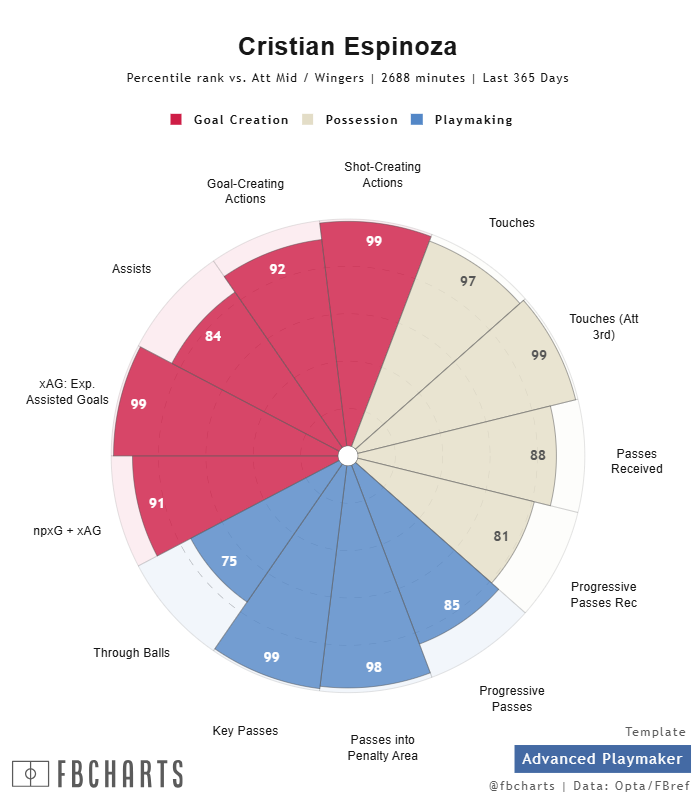
After their pursuit of Espinoza was thwarted by Nashville, the Timbers will have to pivot to a different target. However, it’s very encouraging that they were so serious about signing him. He fits the profile of the exact player that they need.
Final Whistle
I’ve been dancing around that word for this entire article. It’s a very important word because it drives Grabavoy’s recruitment process.
Last offseason, the Timbers were extremely busy. Ariel Lassiter joined first. He provided wing depth and good set piece delivery. He was followed by Kevin Kelsy; a tall, young striker to compete with Felipe Mora and develop into a top forward. Jimer Fory provided competition for Claudio Bravo and offered a different skill-set (aerial prowess and a willingness to stay back). Joao Ortiz didn’t have a great first season in Portland, but he showed flashes of excellence with good through balls and strong tackles. Ian Smith’s success as a width-providing wingback made Bravo expendable.
But the real scouting success was David Da Costa. There is a definite vision of the player he can be, and it showed during the first half of the season (when the Timbers were winning a lot of games). Portland’s season began to decline when he lost his chief collaborator to injury (Antony) and Da Costa’s willingness to play through a serious injury of his own didn’t have the desired effect during the stretch run. Portland’s biggest question throughout the 2024 offseason was Evander. Da Costa wasn’t brought to Portland to fill Evander’s exact role within the team. Instead, he was supposed to be a force magnifier. That ability shone on several occasions and it earned him an All-Star nod.
When Grabavoy and Neville are looking for a new player, they first develop a profile. In Bye’s case, they wanted a veteran backup to Mosquera who can adequately fill his role. Bonetig adds another dimension to Portland’s build-up. Espinoza would have been the coup de grace; an experienced MLS veteran who can create chances with a snap of his fingers.
Now they have another gigantic hole to fill after David Ayala’s departure. There are several questions as to how they’ll build a profile to find a replacement. Those questions will be answered in a future article. But, above all else, that player must be gettable.
The profiles have dictated their recruitment approach. The next step is blending those players into a cohesive team that can be competitive in every game. Even though December is usually quiet, the fruits of their labor are usually flowering in January. Preseason begins this week. It would be better to get these deals done in December so players have a full preseason, but it is the Portland Timbers after all. The next few weeks should be very busy. If it remains quiet, that would be very concerning.